

In the THERESA project, the research team is developing an AI-based system that analyzes videos of physiotherapy exercises. The AI recognizes movements and small training devices such as bands or dumbbells, calculates the forces involved, and determines the training intensity. The system also supports patients outside the clinic and promotes sustainable rehabilitation through precise exercise analysis and gamification approaches.
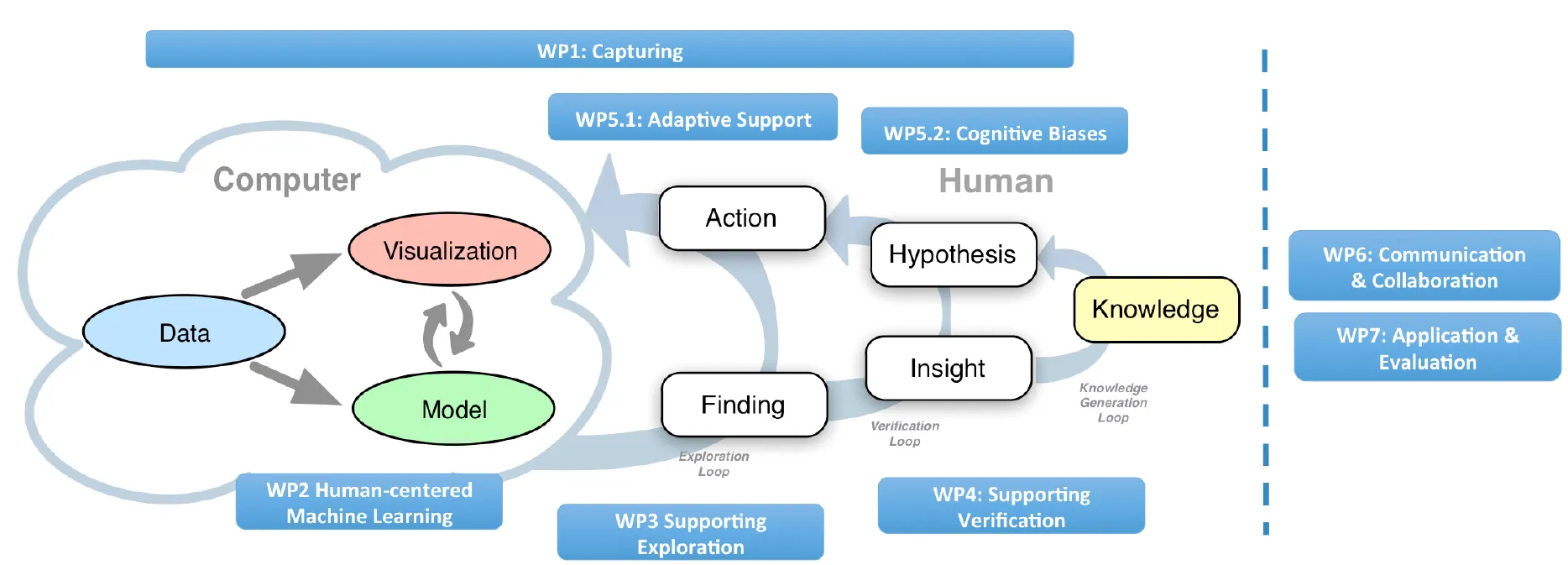
Knowledge Generation in Visual Analytics
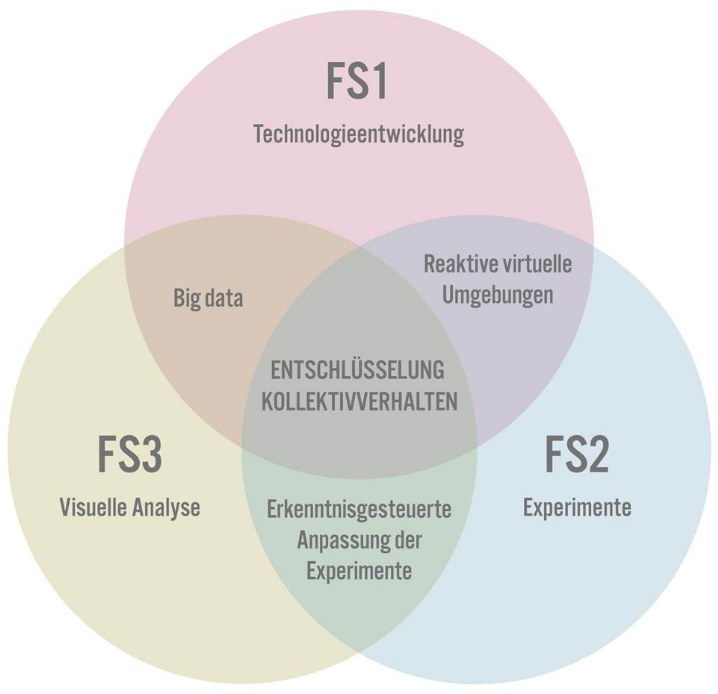
This DFG-funded project (2017 - 2020) aims at bringing human and machine closer together in order to enhance VA for a more effective and efficient data analysis. A major part of this research proposal is to bridge the gap between human and machine learning (ML) in order to make complex model configuration and interaction more accessible and usable.

VASA
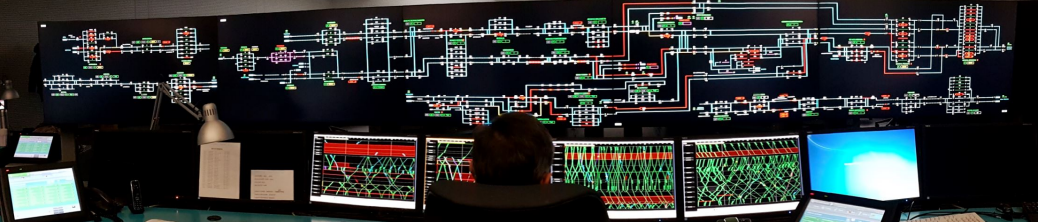
This BMBF-funded project, coordinated by the University of Konstanz, applies visual analytics to disaster prevention and crisis response, focusing on critical infrastructures such as logistics, digital networks, and power grids. It is part of the “Research for Civil Security” program within the German Federal Government’s High-Tech Strategy.

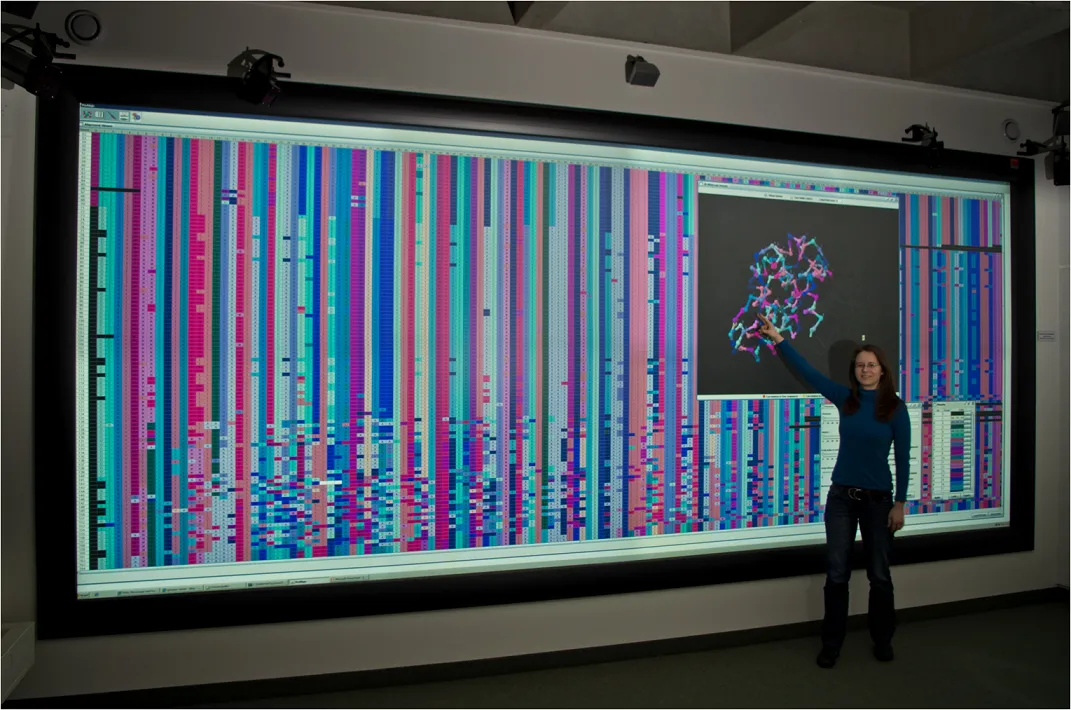
Finding Correlations in functionally equavalent Proteins
In recent years, protein sequence data has grown rapidly, holding valuable scientific and medical insights. This project investigates restrictions in protein sequences by analyzing alignments of functionally equivalent proteins to identify regularities such as correlated positions or residue patterns. These patterns are essential for proper folding and cellular functions. The visual analytics tool VisAlign supports this analysis by combining automated correlation detection with interactive visualization.

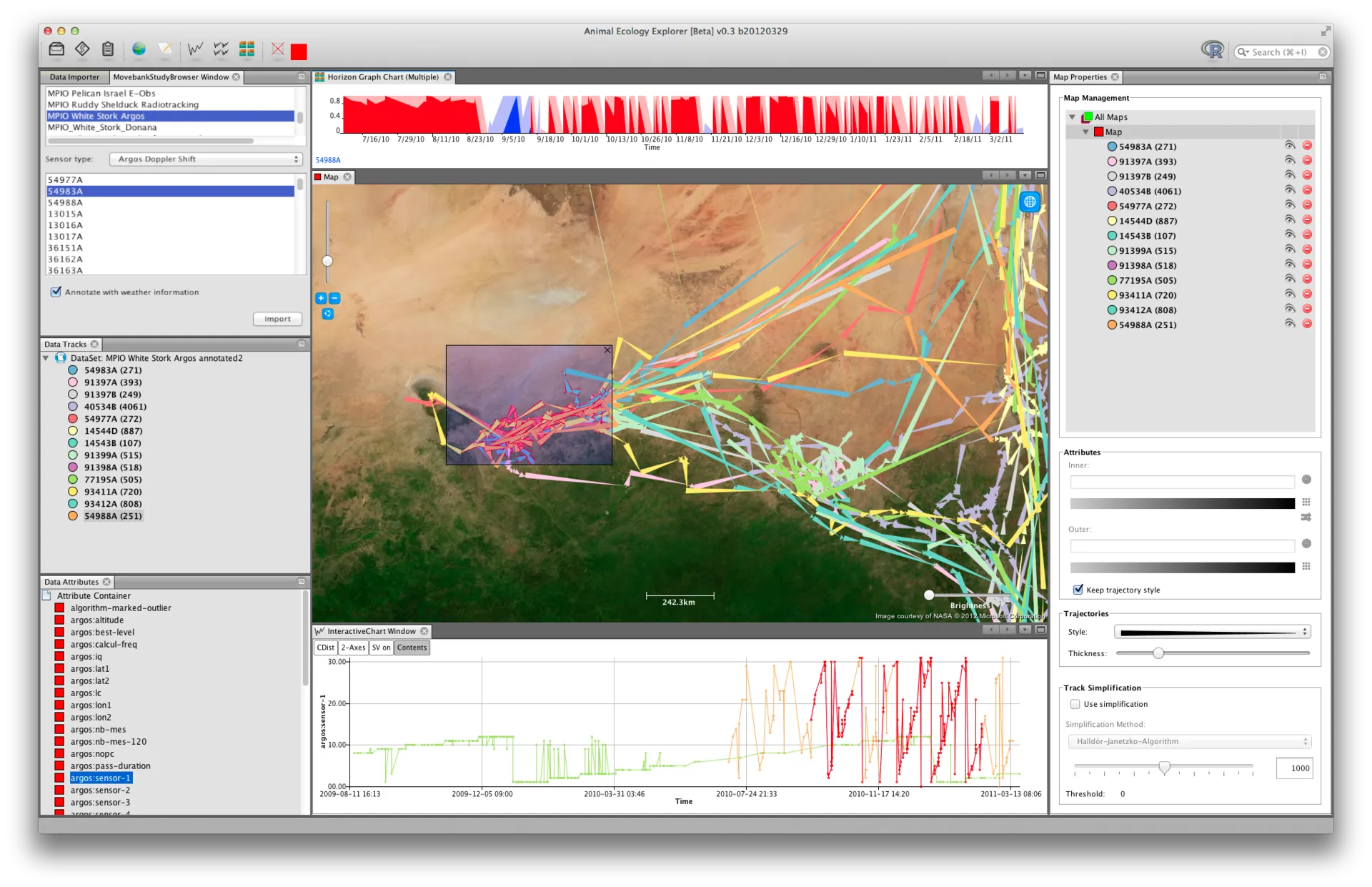
Visual Analytics of Movement and Event Data
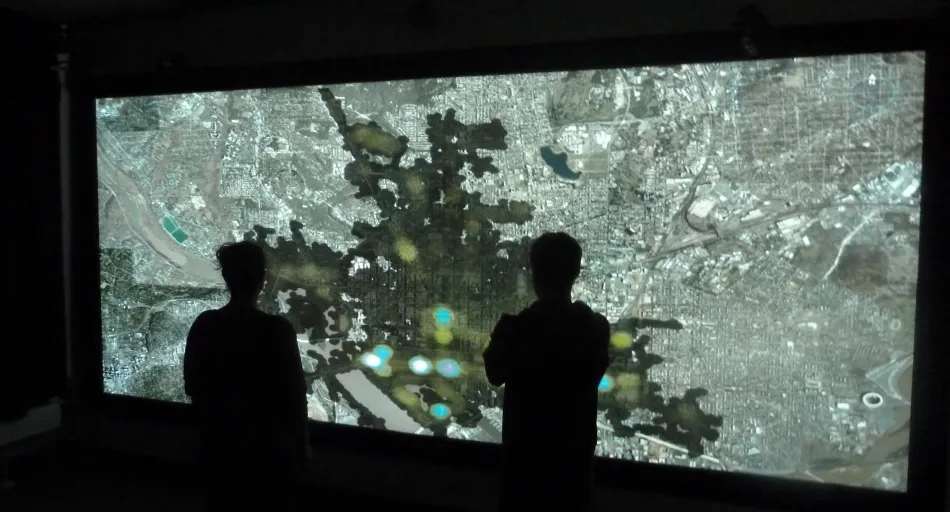
Advances in positioning technologies have led to vast amounts of movement data, creating a need for scalable analysis methods. While existing tools in data mining and visualization often ignore spatiotemporal context, this project develops theoretical foundations and scalable methods to analyze movement in relation to contextual information from datasets and human expertise.
CURRENT RESEARCH PROJECTS